The Increase of “Plastic Enthusiasts” as well as the Dying of Regional Loyalty By Guss Woltman
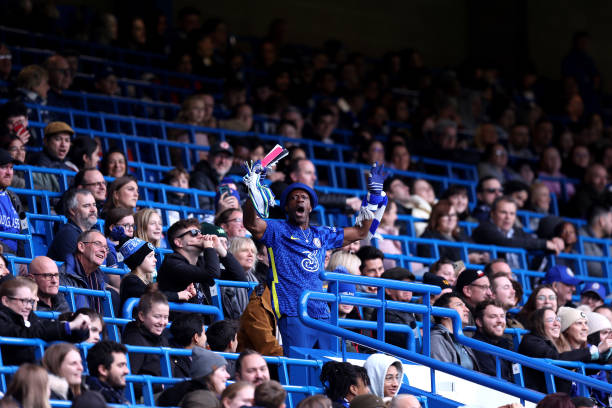
Sporting loyalty was once formed by proximity. Fans supported teams tied to their neighborhoods, workplaces, and family members. Attendance was Actual physical, rituals were shared, and allegiance felt long-lasting. Television and streaming disrupted this model, letting supporters to form attachments without having ever placing foot in the vicinity of a stadium. Geography stopped being a prerequisite for belonging. So, let's see how this operates nowadays, I'm Guss Woltmann, sporting activities journalist.
The Emergence of the “Plastic Fan”
The figure in the “plastic admirer” is a product of structural adjust in lieu of unique choice. Historically, sports fandom emerged from proximity: a stadium within sight, a group embedded in neighborhood tradition, and loyalty passed via households and neighborhoods. Assistance was significantly less a decision than an inheritance. The modern “plastic enthusiast” breaks from this product, forming allegiance without the need of geographic, social, or historic obligation.
Mass media is the first catalyst. Satellite tv, streaming platforms, and social websites have eradicated obstacles to accessibility. A supporter can now stick to a club in minute detail—matches, training footage, press conferences, tactical breakdowns—despite locale. Publicity breeds familiarity, and familiarity fosters psychological attachment. For most enthusiasts, particularly in areas with constrained coverage of domestic leagues, worldwide clubs are simply just more visible and narratively compelling.
Results also performs a central position. Very competitive leagues and elite groups dominate consideration by trophies, star players, and continuous media amplification. Supporting such golf equipment offers a shared global dialogue and a sense of belonging to some thing culturally applicable. This dynamic encourages fluid loyalty, wherever allegiance aligns with effectiveness, prestige, or individual gamers as an alternative to institutional continuity.
The term “plastic” indicates artificiality or opportunism, still this criticism usually overlooks generational context. Younger enthusiasts expand up within an setting where world selection is normal. These are accustomed to picking identities—musical flavor, style, on line communities—depending on affinity rather than inheritance. Athletics fandom increasingly follows precisely the same logic. Loyalty turns into elective, curated, and bolstered digitally.
Star players even more speed up this shift. Modern-day athletes are brands in their unique correct, cultivating personalized followings that shift with them across clubs and leagues. Fans could aid a group largely for the reason that a favorite player wears its shades, redefining loyalty as participant-centric instead of club-centric. This was after scarce; now it's program.
The emergence of your plastic fan, then, reflects a broader transformation in how identification is manufactured inside a globalized planet. It can be less about betrayal of tradition and more about the erosion of structural problems that when enforced area loyalty. The controversy surrounding plastic enthusiasts in the long run reveals irritation with this transition—among fandom as rooted obligation and fandom as decided on affiliation.
Rather then dismissing plastic fans as illegitimate, the more pressing query is how modern day Activity can reconcile world-wide engagement Along with the preservation of area meaning.
Golf equipment as Global Brands
The transformation of football golf equipment into world brands marks one of the most consequential shifts in contemporary sport. Once defined primarily by locality, Group ties, and aggressive id, elite golf equipment now function as multinational enjoyment entities. Their achievement depends not only on results over the pitch, but on visibility, marketability, and world resonance.
Broadcasting earnings accelerated this alteration. Global tv bargains and digital streaming turned domestic leagues into globally products, incentivizing golf equipment to cultivate audiences significantly past their house towns. Matches turned articles optimized for worldwide consumption, with kickoff situations altered for international markets and storytelling personalized to Global viewers. Nearby supporters remained important, but now not central to fiscal survival.
Branding methods adopted. Club crests developed into logos, background into narrative belongings, and tradition into aesthetic value. Social websites platforms transformed groups into continual presences in fans’ daily life, providing at the rear of-the-scenes accessibility, personalized engagement, and simplified mythology. Clubs now communicate like Life style manufacturers, selling not simply football, but identification.
Merchandising reinforces this shift. Jerseys are created for international enchantment, introduced in frequent cycles, and promoted through vogue and celeb lifestyle. For a lot of supporters, paying for products results in being the main expression of loyalty, changing match attendance or regional ritual. The club exists as a symbol rather then a shared physical practical experience.
Star players sit at the middle of this branding ecosystem. Elite athletes draw in followers who can have tiny attachment into the club itself. Promoting more and more highlights specific personalities, social media marketing achieve, and world wide recognizability. When gamers transfer, they usually have parts of the fanbase with them, even further weakening the permanence of club-based loyalty.
This world-wide branding system is commercially successful but culturally destabilizing. As golf equipment scale outward, local identification challenges dilution. Ticket price ranges rise, stadiums prioritize broadcast spectacle, and extended-expression supporters really feel displaced by transient audiences. The club gets everywhere and nowhere—globally accessible, but regionally abstracted.
Golf equipment as global brand names will not be inherently hollow, Nonetheless they demand trade-offs. The challenge lies in balancing business growth with cultural grounding. Devoid of deliberate effort and hard work to preserve neighborhood that means, world-wide results threats eroding the very foundations that once gave golf equipment their psychological ability.
Rigidity with Common Supporters
The worldwide growth of soccer has developed a increasing rift among clubs and their classic supporter bases. For many years, regional enthusiasts have been not only customers but participants—shaping ambiance, sustaining golf equipment by lousy seasons, and embedding them in Local community lifetime. As clubs scale into worldwide brand names, many of such supporters sense progressively marginalized.
Just about the most visible details of pressure is accessibility. Increasing ticket prices, pushed by Worldwide need and commercial tactic, press lengthy-time period lovers from stadiums they as soon as thought of communal Areas. Season tickets come to be luxurious products, and matchday attendance shifts from plan ritual to occasional celebration. The stadium, as soon as a accumulating place for local identification, gets to be a premium leisure venue.
Scheduling further more reinforces this alienation. Kickoff moments are often altered to fit Intercontinental read more television marketplaces, disrupting nearby vacation, function styles, and extended-standing traditions. Matches performed at inconvenient hours sign a change in priorities—from serving the area people to maximizing world viewership.
Cultural displacement is equally sizeable. Standard supporters normally feel that club narratives are rewritten for world wide audiences, flattening regional background and rivalries into simplified storylines. Tracks, banners, and rituals that when outlined supporter society threat remaining handled as qualifications aesthetics instead of central expressions of identification.
There is also resentment toward perceived “plastic” fandom. Community supporters may check out world followers as opportunistic, lacking historic determination and accountability throughout intervals of failure. This notion intensifies when golf equipment prioritize international markets when showing up indifferent to nearby problems.
Within the club’s perspective, world-wide expansion is commonly framed as necessity instead of decision. Money competitiveness in modern football demands expanded income streams. But this logic does minor to relieve psychological decline. For common supporters, the issue isn't opposition to new followers, but concern of erasure.
The stress, then, will not be only generational or geographic—it is actually structural. It demonstrates conflicting definitions of what a club is: a community establishment or a world product. Reconciling these identities remains among the central difficulties going through present day sport.
What exactly is Dropped - and What Remains
As nearby loyalty weakens and international fandom expands, football loses something tricky to quantify but deeply felt: embeddedness. Golf equipment the moment functioned as social anchors, binding neighborhoods, workplaces, and generations by shared allegiance. Matchdays structured community lifetime, and loyalty endured in spite of accomplishment. When that grounding erodes, clubs danger turning into culturally weightless—recognizable all over the place, but rooted nowhere.
What's lost to start with is continuity. Community fandom carried memory: relegations survived jointly, rivalries gathered which means, and id deepened by prolonged-phrase expense. Globalized support, In contrast, usually facilities to the present—current stars, new accomplishment, continuous novelty. The earlier gets branding materials rather than lived practical experience. Loyalty grows thinner when it really is now not examined by failure.
Communal ritual also fades. Pubs, streets, and stadium routines as soon as bolstered belonging via repetition and shared hardship. As attendance declines or results in being far more transient, those rituals fragment. Environment is maintained, however it is increasingly staged—created for broadcast instead of organically made by a secure supporter base.
Nonetheless not every little thing disappears. Global fandom introduces new kinds of engagement that are intensive, educated, and sincere. A lot of distant supporters study club historical past, follow youth teams, assess tactics, and commit emotionally throughout seasons. Their connection is picked rather then inherited, but it can be resilient. The belief that locality guarantees authenticity not retains.
What continues to be, as well, could be the symbolic power on the club. Hues, crests, and narratives still carry that means, even whenever they flow into differently. The emotional cost of soccer survives as the game itself retains uncertainty, drama, and collective expertise—no matter if inside of a stadium or throughout a digital network.
The future of loyalty will probably be hybrid. Community and world attachments will coexist, sometimes uneasily. The job just isn't to restore a previous that not matches present day ailments, but to shield depth within expansion—to make sure that development will not hollow out indicating. What stays will depend upon no matter if golf equipment handle loyalty being a source to extract or possibly a romantic relationship to maintain.
Reimagining Loyalty in the Put up-Neighborhood Era
The erosion of standard neighborhood loyalty will not indicate loyalty by itself is disappearing; it really is becoming reconfigured. As football adapts to global audiences, the thought of allegiance will have to evolve outside of geography with no turning out to be weightless. This transition offers both of those possibility and possibility for clubs, supporters, and the cultural meaning of Activity.
Traditionally, loyalty was enforced by limitation. You supported the club you may attain, listen to about, and increase up close to. Option was negligible, and motivation was reinforced by shared hardship. These days, abundance replaces limitation. Admirers can observe several leagues, groups, and gamers simultaneously. Loyalty will become selective as an alternative to unique, formed by narrative, kind of play, values, or particular person connection.
This change problems golf equipment to actively cultivate that means. Loyalty can no longer be assumed; it need to be attained and managed. Clubs that count exclusively on achievements or star electricity risk developing fragile fanbases that dissolve when outcomes drop. By contrast, people who communicate values, historical past, and social responsibility can foster deeper attachment, even among the distant supporters.
Technological innovation offers equipment for this reconstruction. Electronic platforms can educate new enthusiasts about club heritage, rivalries, and supporter culture as an alternative to flattening them into advertising slogans. When utilised thoughtfully, global achieve can amplify area stories as an alternative to erasing them. The Risk lies in decreasing identification to content metrics as opposed to cultural continuity.
Crucially, reimagined loyalty ought to still respect regional supporters. World expansion should not arrive at the price of accessibility, illustration, or voice for people who sustain clubs physically and historically. Supporter session, affordable ticketing tiers, and protection of supporter traditions sign that locality still matters, even in a global ecosystem.
What emerges is actually a layered design of fandom. Community supporters deliver continuity, atmosphere, and cultural grounding. International supporters lead scale, variety, and economic sustainability. Loyalty gets plural in lieu of singular.
In this post-nearby era, the death of conventional loyalty just isn't unavoidable. Precisely what is at stake is whether or not loyalty stays meaningful or turns into interchangeable. The future of football is determined by integrating worldwide progress with cultural depth—making certain that even as clubs belong to the world, they never fully stop belonging to someplace.
Summary
The increase of global fandom has transformed loyalty from inherited obligation into chosen affiliation. Although this change weakens regional rituals and continuity, it does not get rid of meaningful attachment. Soccer now exists involving position and platform, Neighborhood and consumption.
The obstacle is harmony: preserving depth, memory, and accessibility although embracing international attain. Golf equipment that take care of loyalty being a connection—instead of a market—can maintain equally neighborhood roots and international resonance. The way forward for fandom won't be defined by where supporters are, but by how deliberately clubs protect indicating inside of expansion.